
GTA 6's realism is meant to support immersion, not reproduce every obligation of everyday life. That is the central distinction in Rockstar North co-studio head Rob Nelson's comments to LOVE magazine: believable details matter, but entertainment remains the priority.
For players wondering whether a more detailed open world will become a list of chores, the useful question is how those details affect the experience. More systems do not automatically mean more freedom—or more fun.
What Rockstar said about GTA 6 realism
In LOVE's October 5, 2026 interview, Nelson explained that realism can strengthen a player's connection to a fictional world. He also said Rockstar sometimes puts convenience first, because excessive realism can become tedious.
“Our job is to entertain people.” — Rob Nelson, speaking to LOVE
His explanation describes a design priority: selecting details that serve the intended experience rather than treating authenticity as a requirement for every interaction. It is not a promise that every player will enjoy every system.
Refueling and groceries: the examples in the reporting
GameRant's coverage illustrates that tension with two examples. It describes vehicle refueling as a brief interaction and reports that a more elaborate grocery-shopping and refrigerator-restocking system was simplified during development.
Those details are attributed to published reporting. Game Therapist has not tested them, and they should not be read as a complete description of the final game's mechanics. The distinction is important: a developer explaining a design choice is different from independent evidence of how it feels after many hours of play.
GTA 6 image gallery
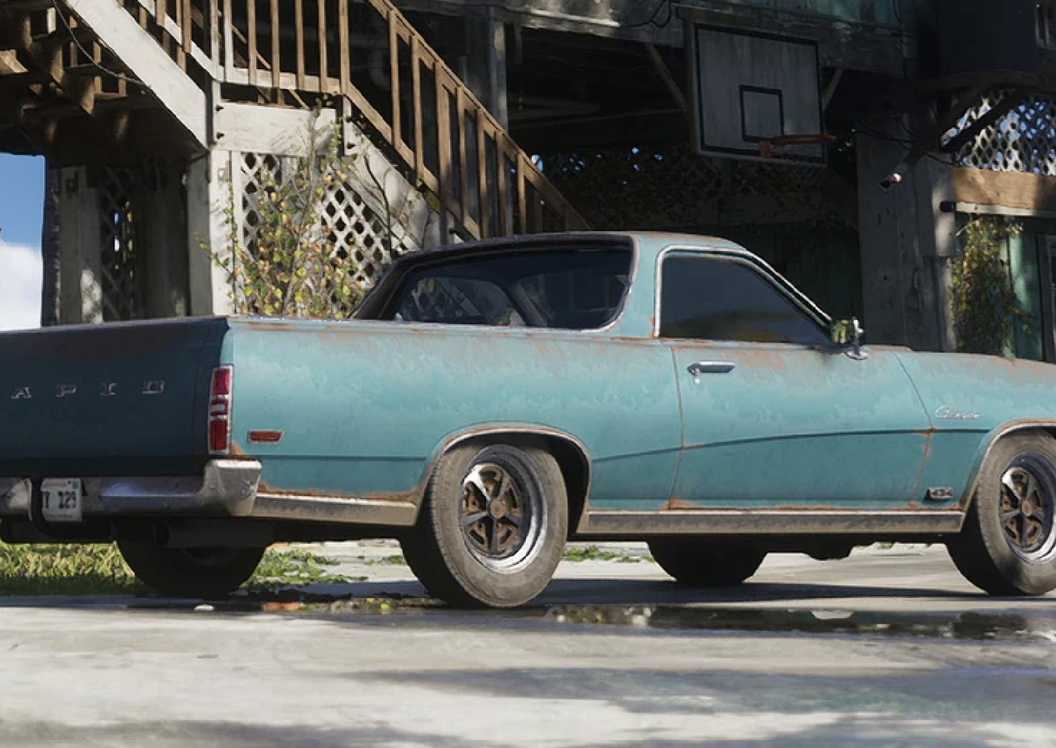

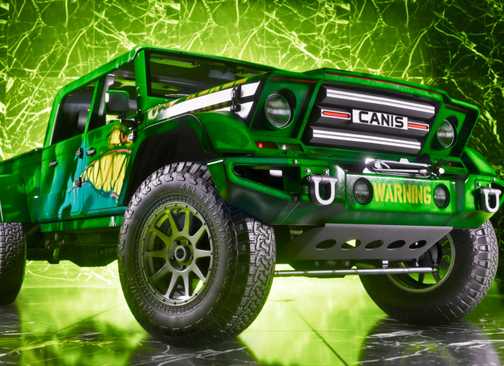
Images: Rockstar Games, supplied via GameRant. Select an image to enlarge it.
Game Therapist analysis: detail should create choices
Our view is that realism earns its place when it gives players an interesting decision. An extra interaction can add tension, encourage preparation or make a location feel useful. The same interaction can become friction when it demands attention without changing what the player can meaningfully do.
Consider a hypothetical journey across an open world. Choosing between a risky shortcut and a safer route can make the trip memorable. Repeating a routine action with no variation may simply delay the destination. This is an illustration of the design trade-off, not a claim about GTA 6's mission structure.
Three questions will be useful when evaluating the finished game:
- Does the detail create a decision? A system should offer something more interesting than another prompt to clear.
- Does it respect repetition? An interaction that feels impressive once may feel different after dozens of encounters.
- Does it fit the moment? A quiet activity and an urgent mission do not necessarily benefit from the same pace.
Convenience can help preserve attention, too. Keeping a player focused on a character or situation may be more valuable than asking them to perform every step that would happen outside a game. That is why visual detail and mechanical complexity should be evaluated separately.
What remains to be judged at launch?
The interview establishes an intention; the finished experience will establish whether that balance works. We would want to assess how often systems interrupt play, how clearly they communicate consequences and whether returning to them remains enjoyable. Screenshots can show visual detail, but they cannot answer those questions by themselves.
As checked on October 28, 2026, Rockstar's official GTA VI site lists a November 19, 2026 release for PlayStation 5 and Xbox Series X|S.
GTA 6 game trailer
Editorial note: This article combines sourced reporting with clearly identified Game Therapist analysis. It is not a hands-on review or a confirmation of unannounced features. Prepared October 28, 2026.
Sources
- LOVE: Rockstar Games interview — original discussion of immersion, realism and convenience.
- GameRant: GTA 6 realism and immersion coverage — reporting on the gameplay examples discussed above.
- Rockstar Games: Grand Theft Auto VI — official release and platform information.
0 Comments